Happy Chinese New Year: Year of the Horse

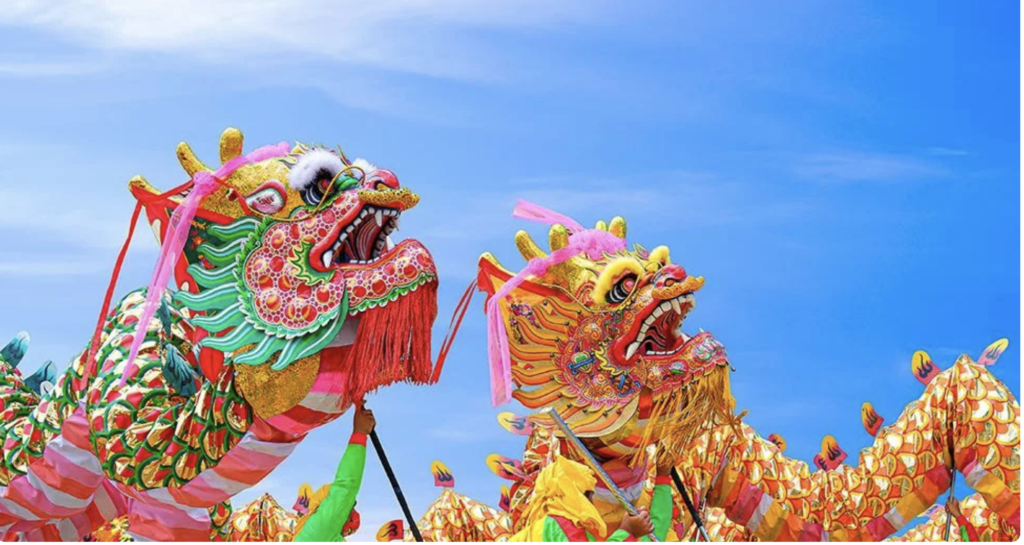
Happy Chinese New Year! đź§§
If you were born in 1954, 1966, 1978, 1990, 2002, 2014—or are welcoming a newborn in 2026—you share a special distinction: you were born in the Year of the Horse.
In the Chinese zodiac, the Horse appears every 12 years and is traditionally associated with qualities like energy, independence, determination, and a strong work ethic. Those born under this sign are often described as spirited and driven, never afraid to chase new horizons. The year 2026 is especially notable because it is a Fire Horse year—a combination believed to amplify passion, intensity, and leadership.
The Lunar New Year begins on February 17, 2026, and the celebration traditionally lasts 15 days, culminating in the Lantern Festival on March 3. It’s a season of family reunions, symbolic foods, red envelopes, lantern displays, and centuries-old customs meant to usher in luck, prosperity, and renewal.
History, Tradition, and a Story of “What If?”
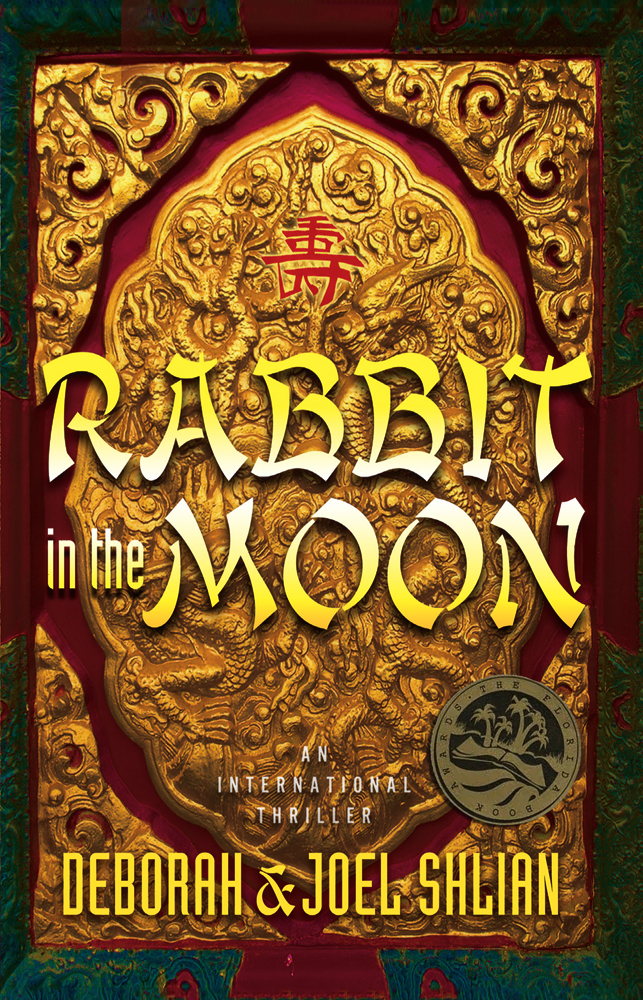
If you’re intrigued by Chinese culture and history—but enjoy exploring it through the lens of fiction—you might be interested in our award-winning historical thriller, Rabbit in the Moon, written by my husband Joel and me.
We began the novel with a provocative question:
Is humanity ready for a scientific breakthrough that could double the average lifespan?
In Rabbit in the Moon, Dr. Cheng becomes obsessed with uncovering a secret that could transform the future of humankind. But his pursuit places not only his own life at risk—it endangers his granddaughter and potentially the fate of the world.
The story unfolds during a pivotal seven-week period in 1989, between the rise of the Student Democracy Movement and its tragic suppression in June at Tiananmen Square.
We chose this moment in history for two deeply personal reasons.
First, it was unforgettable. Anyone watching the news at the time can still picture the haunting image of a lone young man standing before a line of tanks—an act of quiet defiance that became one of the most iconic images of the twentieth century.
Second, the events touched us directly. After our first trip to China in 1980, we returned to Los Angeles and became a host family for students from mainland China studying at UCLA. In the weeks leading up to Tiananmen in 1989, many of these students used our fax machine to communicate with friends and family back home. There were no smartphones, no internet, and very few private phone lines in China at the time. Fax was their lifeline.
Through countless conversations, we came to understand how they viewed the conflict: as a generational struggle. On one side stood aging leaders—many of whom had marched with Mao—determined to hold onto power. On the other stood a younger generation yearning for reform and a different future.
History tells us how tragically that struggle ended. On June 4, hundreds—perhaps thousands—lost their lives.
More than three decades later, the events surrounding Tiananmen Square remain a sensitive and tightly controlled subject within China. In recent years, restrictions on dissent have expanded, affecting activists, labor groups, religious organizations, and civil society in both mainland China and Hong Kong.
Remembering and Reflecting
Stories, both historical and fictional, remind us of the human spirit’s capacity for ambition, sacrifice, and change.
So, enjoy the New Year, but take time to learn about recent Chinese history.
We hope that readers will find this new edition of Rabbit in the Moon a compelling and still timely read.
In this edition, we took past readers’ advice, so you will find a list of the characters and a glossary of some of the Chinese and Korean terms to avoid confusion.
Wishing you a joyful, prosperous, and meaningful Lunar New Year.